

 See My Latest Article on HelloNation
How Does Cody, WY’s Climate Affect Energy-Efficient Home Design?
Designing for energy efficiency in Cody, WY starts with understanding the local climate. The city experiences cold winters with significant snowfall, wide temperature swings, and dry air year-round. This means effective insulation and draft control are essential to prevent energy loss, especially during long heating seasons. Summers are generally mild, but intense sunlight and occasional heat waves also play a role in home design.
Residents should prioritize features that minimize heat loss in winter and limit unnecessary heat gain in summer, ensuring the home stays comfortable without excessive energy use.
What Building Orientation and Layout Choices Improve Efficiency?
Positioning a home thoughtfully on the lot can have a big impact on energy needs. In Cody, maximizing winter sun exposure on the southern side of the home helps passively heat living spaces, while careful window placement and overhangs can reduce summer overheating.
Practical layout tips include:
- Placing living areas—like kitchens and family rooms—on the south side for maximum solar gain.
- Using smaller or fewer windows on the north side to reduce heat loss.
- Designing roof overhangs or awnings to block high summer sun but allow lower winter sun to enter.
A common misconception is that any window brings in useful sunlight. In reality, north-facing and west-facing windows often lose more heat than they gain, especially during Cody’s winter months.
What Insulation and Building Envelope Choices Matter Most?
A highly effective building envelope is crucial for energy efficiency in a climate like Cody’s. A tight, well-insulated home reduces the need for heating and cooling, directly lowering utility costs.
Key considerations include:
- Using high R-value insulation in walls, attics, and floors suited for Cody’s cold weather.
- Sealing all potential air leaks, especially around doors, windows, and utility penetrations.
- Installing double- or triple-pane windows to cut down on heat transfer and drafts.
- Using insulated exterior doors.
Many people underestimate the impact of small air leaks. Even minor gaps can add up to major energy loss over a long winter.
Which Heating, Cooling, and Ventilation Methods Suit Local Needs?
In Cody, most energy expense comes from heating. Choosing the right system and ensuring it’s properly sized is essential. Electric heat pumps have become more efficient at low temperatures, making them a practical option, while high-efficiency gas or propane furnaces are also common in the area.
For ventilation:
- Heat recovery ventilators (HRVs) or energy recovery ventilators (ERVs) can supply fresh air year-round with minimal heat loss.
- Sealed wood stoves or pellet stoves are sometimes used for supplemental heat, but they must be installed correctly to avoid indoor air quality issues.
Air conditioning isn’t as critical for most homes, but ceiling fans and natural ventilation can keep the home comfortable during the occasional hot spells.
How Can Smart Design Lower Water and Energy Use Together?
Cody residents benefit from designing homes that save both water and energy. For example, placing bathrooms and the kitchen close together shortens hot water pipe runs, reducing heat loss and waiting time for hot water to arrive.
Useful practices include:
- Installing low-flow faucets and showerheads.
- Choosing ENERGY STAR-rated appliances and water heaters.
- Considering a tankless or heat-pump water heater for further savings.
These steps not only conserve energy but also help with limited local water resources, especially important during drought-prone cycles.
What Materials and Construction Choices Are Eco-Friendly and Efficient?
Selecting building materials with good insulating qualities and environmentally friendly sourcing can further boost efficiency. In Cody, many residents opt for:
- Advanced framed walls that use less lumber and allow more insulation.
- Locally produced stone or brick, which offer thermal mass to help stabilize indoor temperatures.
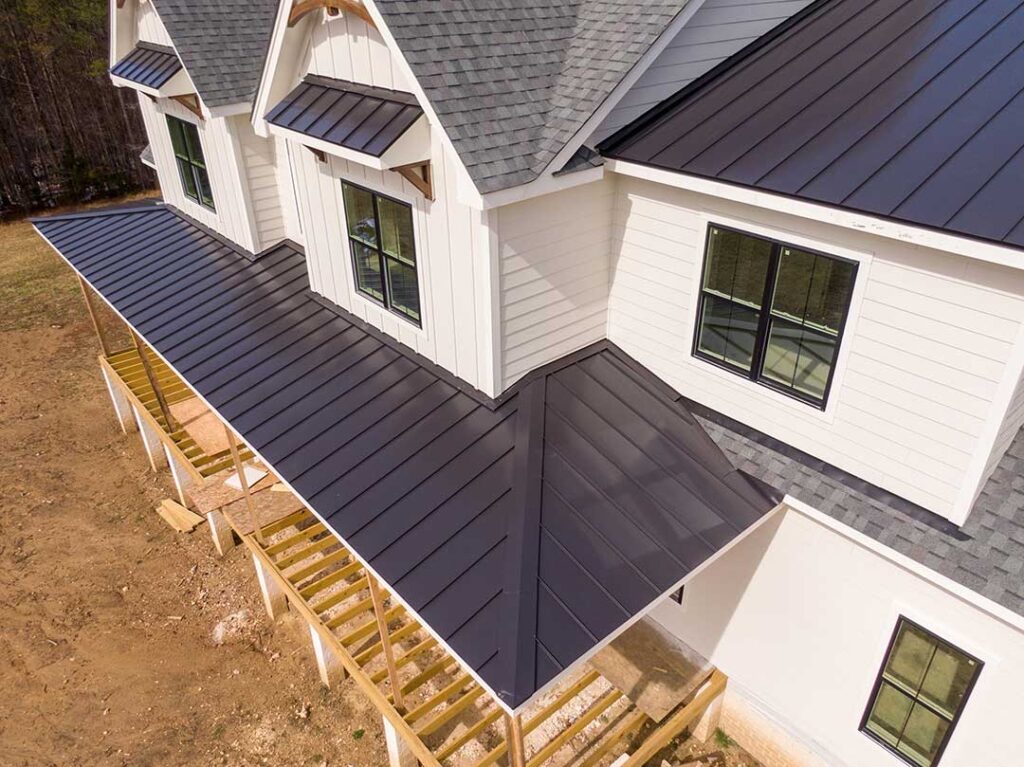
- Durable siding and roofing suited to the area’s wind and snow loads, easing maintenance demands.
Some homeowners mistakenly prioritize purely aesthetic materials without realizing their impact on overall efficiency and comfort. Durability is particularly important in a region where repairs can be logistically challenging during winter.
Are Renewable Energy Features Practical for Custom Homes in Cody?
Adding renewable energy features, such as solar panels, can supplement home efficiency but works best when paired with the passive and active design principles above. The high number of sunny days in Cody makes solar photovoltaic systems a viable option.
Points to consider:
- Local regulations and zoning may affect panel placement and visibility.
- Proper roof orientation (typically south-facing) maximizes solar gains.
- Solar water heating systems can reduce energy needed for hot showers and laundry, particularly during sunnier months.
It’s often more cost-effective to maximize insulation and efficiency first before investing in renewables, so that the smallest, most affordable solar system does the job.
What Building Habits Support Long-Term Efficiency?
Energy-efficient design is most effective when paired with practical habits:
- Set thermostats as low as comfort allows in winter and higher in summer.
- Dress for the season indoors rather than relying solely on mechanical heating or cooling.
- Close curtains or insulated blinds at night to reduce heat loss.
Many local households don’t realize that even the best-designed homes can waste energy if daily routines work against intended efficiencies. Staying attentive to small actions—like weatherproofing or mindful thermostat use—helps maximize investment in a custom home.